

The Serengeti
in December
Four nights, guided self-drive, fly in and fly out.
Trips in December 2026
This season has ended. The Serengeti safari runs all year at our regular rates.
See the Serengeti safariWhy December
The herds on the move, and the plains turning green
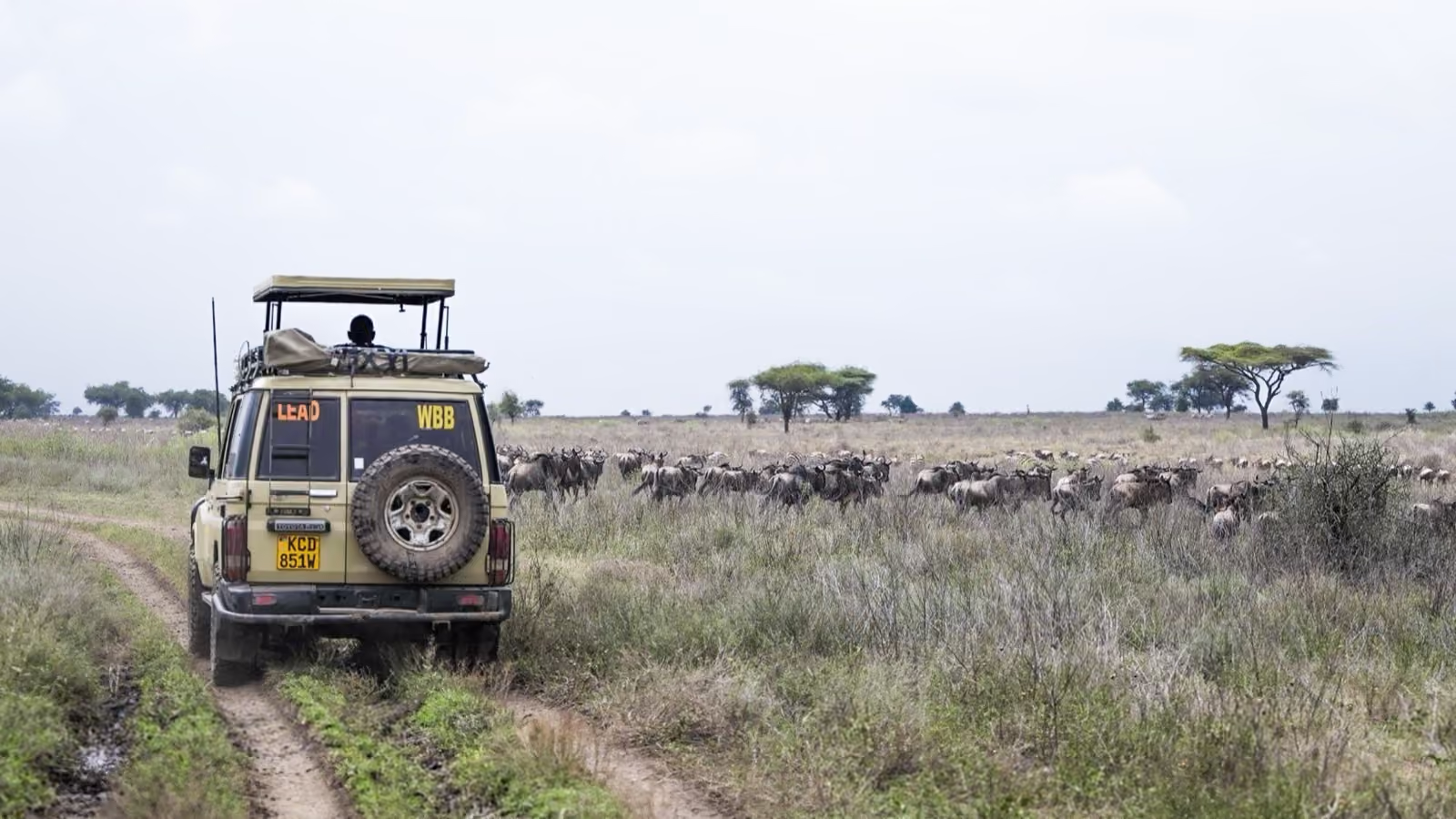
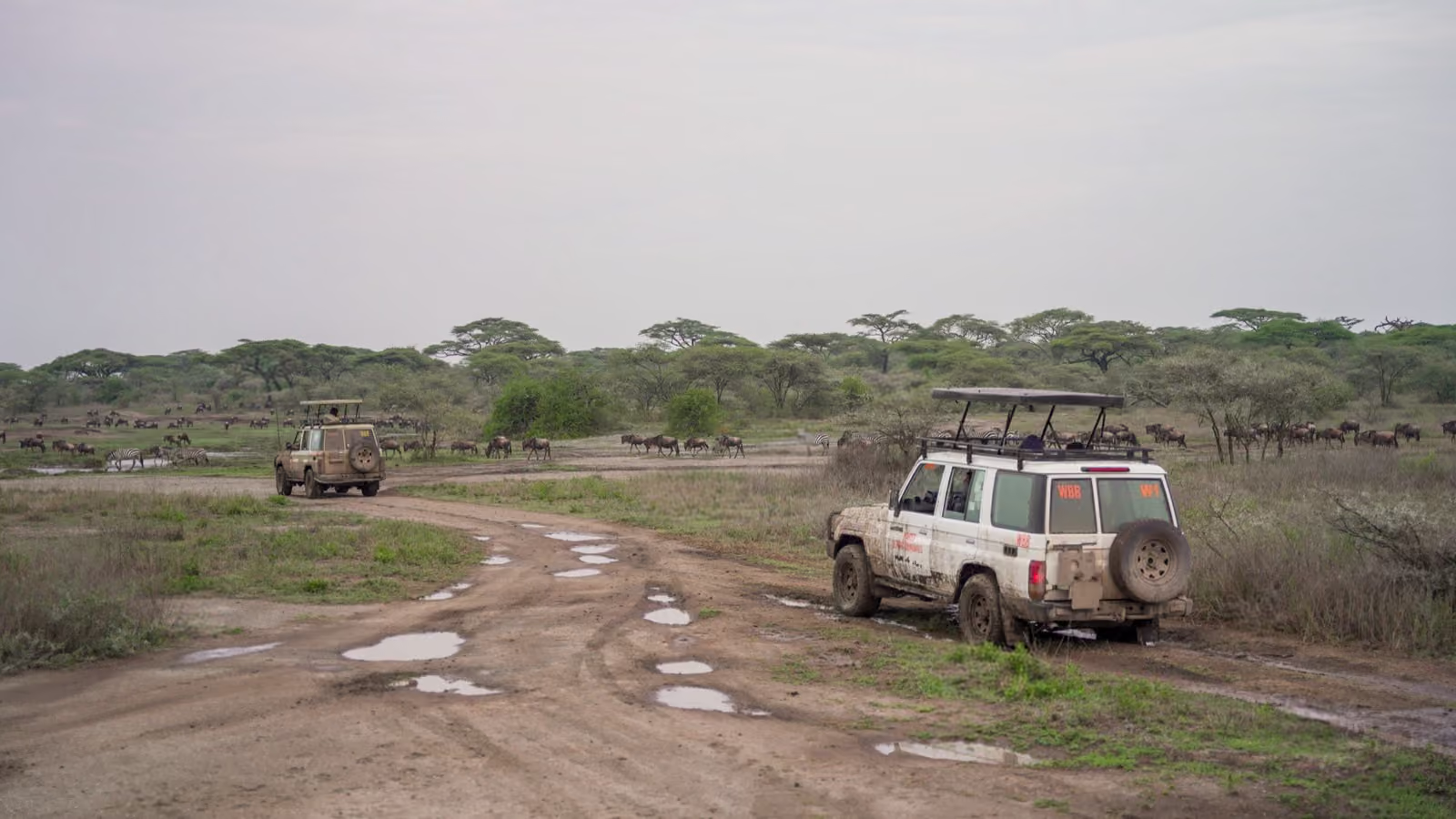
With the short rains, the great herds leave the north and stream south through the central Serengeti on their way to the calving plains around Ndutu. In some years they reach Ndutu early in December, in others later. We track their movement as the month unfolds, so we base you wherever they are, with the predators following them.
These rains are nothing like the Indian monsoon. A shower usually comes in the afternoon, and mornings and evenings stay cool and clear. The dust settles, the light is dramatic, and very few vehicles come out, so you will often have a sighting entirely to yourselves.
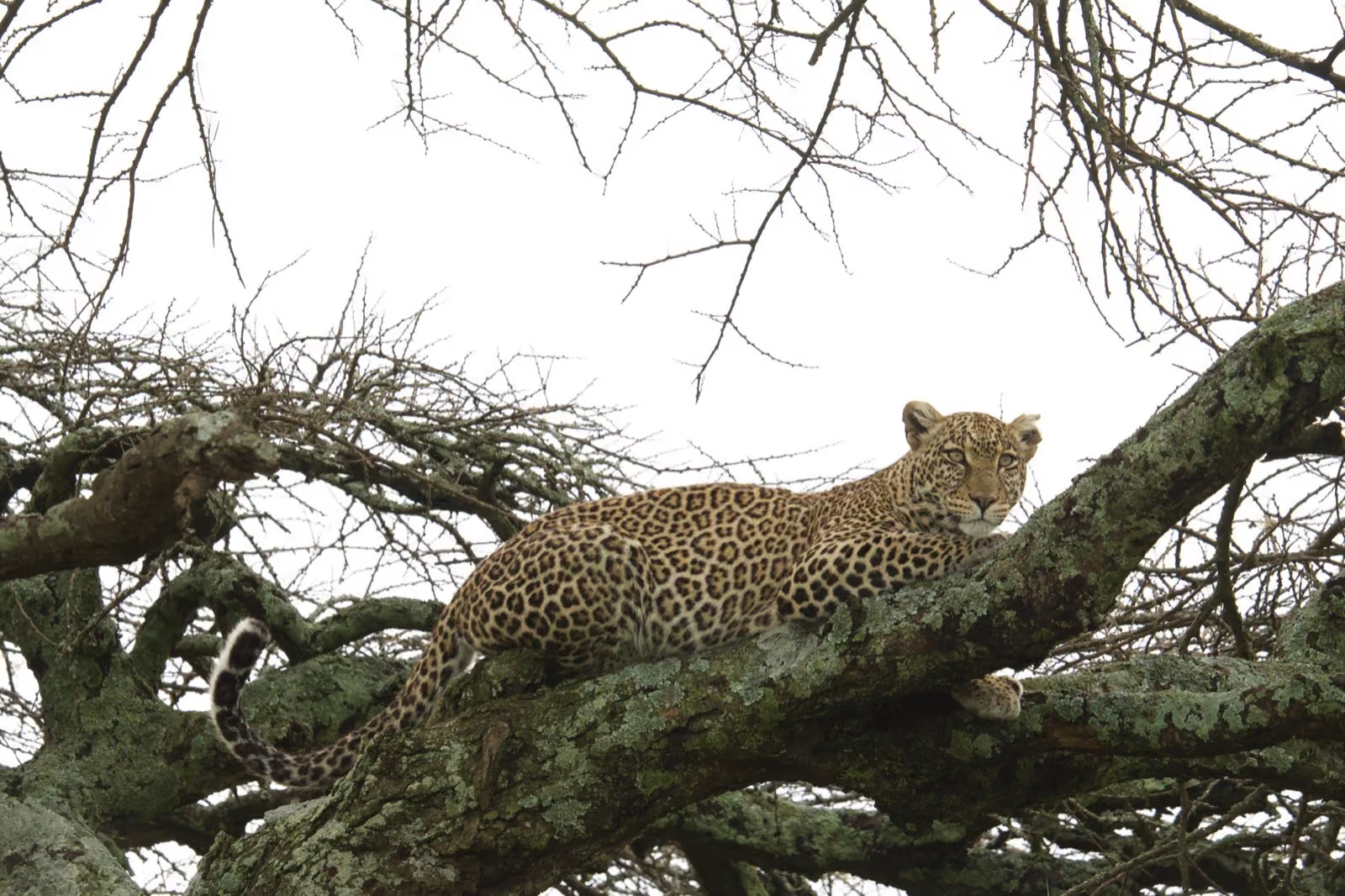
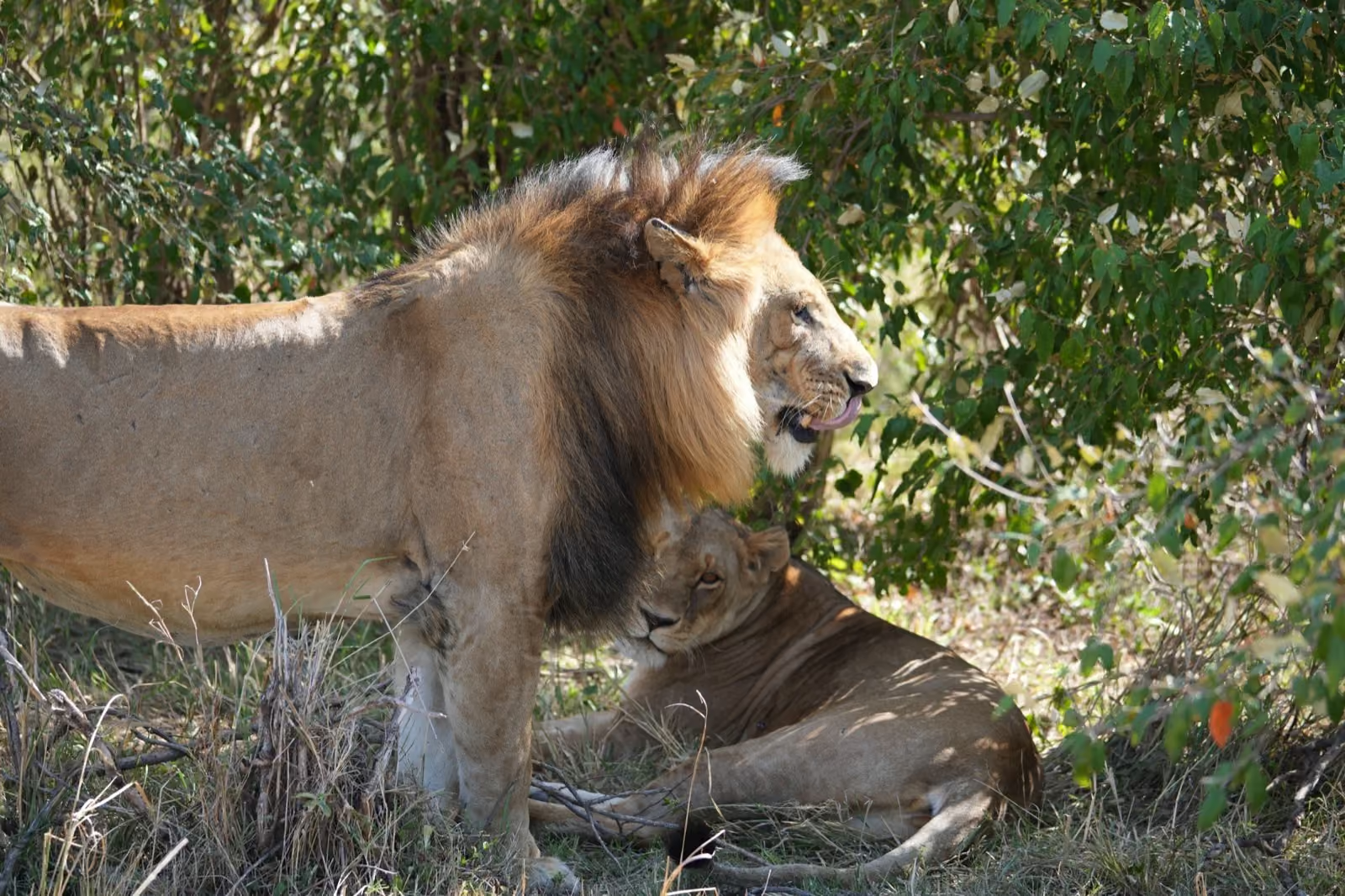
The central Serengeti, around the Seronera valley and its kopjes, holds resident lion, leopard and cheetah all year round. With the herds passing through as well, December puts you in the middle of both stories: the resident big cats and the migration.
Our guiding is about understanding what you are watching, not ticking animals off a list. The more time you spend with a sighting, the more the bush begins to make sense.
December is quiet in the Serengeti, with very few vehicles about, and the light after an afternoon shower is some of the best of the year.
Fly in, fly out: no long road transfers, and every day in between is time in the bush.
Big cat country, all year round
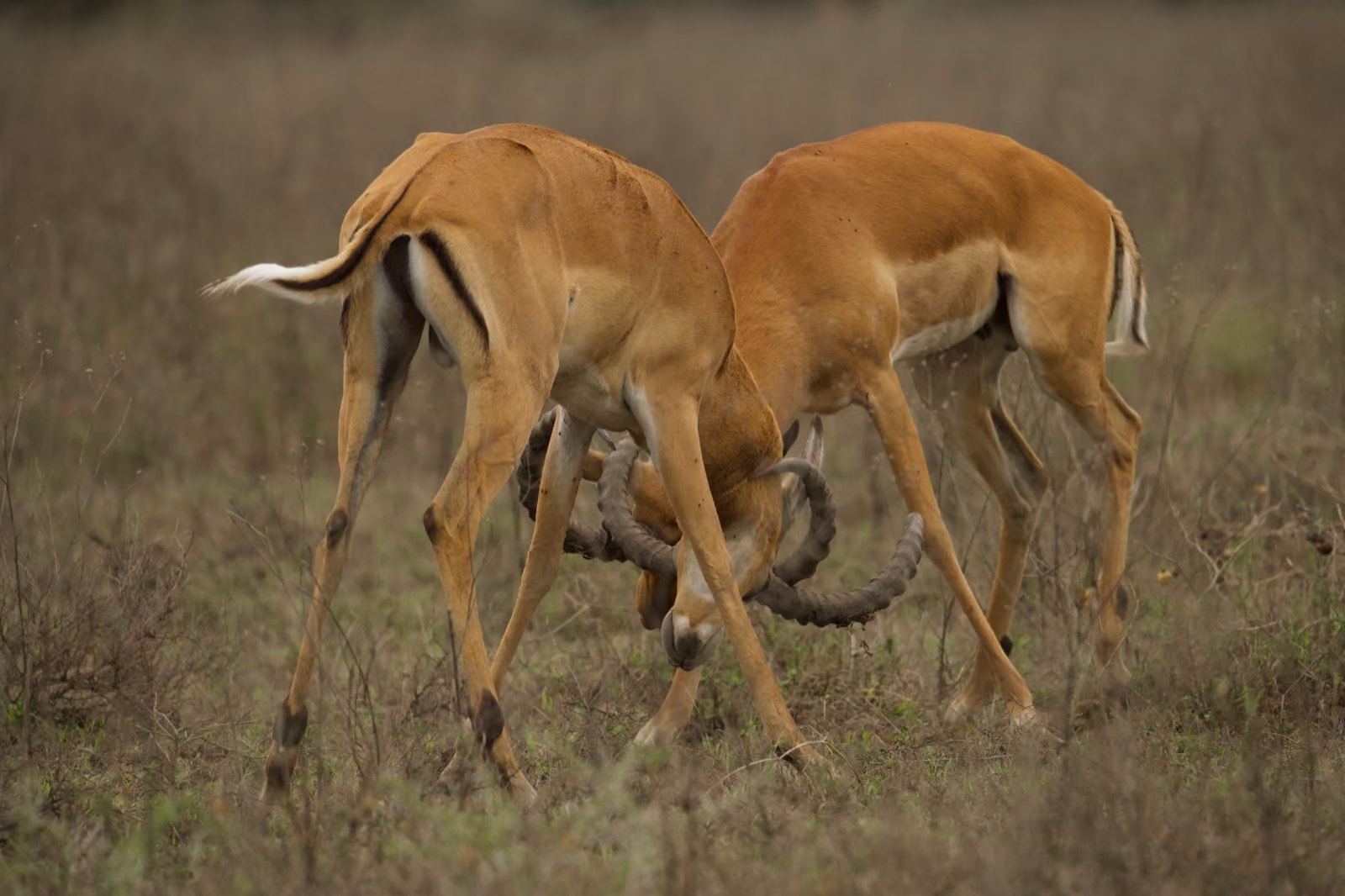
The central Serengeti is home to large lion prides, cheetah mothers raising their cubs on the open plains, leopards in the trees along the rivers, and hyena wherever there is a kill. They live here every month of the year.
How we do it
Guided self-drive, guiding first
Take the wheel, or don’t
You travel in two of our vehicles, linked by radio, with our guides on board. You can drive one of them with a guide alongside, and a guide takes over whenever you’d rather sit back and watch. You are never out there on your own.
Interpretive guiding
Our depth is guiding, not camps. Our guides have spent decades reading tracks and behaviour. We help you understand what you are watching: why the herd moves, why a cheetah waits, what happens next.
Full days in the field
We carry breakfast and lunch with us rather than returning to camp at midday. Sightings develop over hours, not minutes, and a full day takes you far beyond the reach of a morning drive.
Private and end to end
The vehicles and the guiding team are yours alone. You fly in and fly out, so there are no long road transfers, and from the moment we receive you at the airport everything is taken care of.
Where you stay
Camps chosen for where the herds are
The Serengeti is vast, and the herds move with the rains. In December we track them day by day and place you where they are.
If the herds are still passing through the centre, that means every night at Mawe Tented Camp in the central-eastern Serengeti, beside the Ngarenanyuki River, an area with resident lions, leopards and cheetahs all year round.
We choose camps on one thing only: whether their position makes for a good game drive. A camp in the wrong place costs you the first and last hours of every day, and those are the best hours there are.
If they have already reached the southern plains, we move you to three nights at Gnu Ndutu Camp, on the plains near Lake Ndutu, with a night in the central Serengeti. There is no point in being at Ndutu before the herds arrive, so we make the call on the ground, close to your dates, and let you know.
Mawe is an unfenced, ten-tent camp with en-suite tents facing the plains: a warm place to come back to, with good food, warm hospitality and a hot shower.
- Herds still in the centreAll nights at Mawe Tented Camp, central Serengeti
- Herds at Ndutu3 nights at Gnu Ndutu Camp and 1 night in the central Serengeti
Your safari
Your safari, day by day
The Serengeti is vast. The national park alone covers almost 15,000 square kilometres, about ten times the size of the Maasai Mara Reserve, and the wider ecosystem twice that. Fly in, fly out, and everything in between is time in the bush.
- Day1Arrive
Kilimanjaro, a bush flight, and into the central Serengeti
We receive you at Arusha airport, or at Kilimanjaro International Airport and take you to the bush-flight airport outside Arusha. Your bush flight takes you into the Serengeti, to Seronera or to Ndutu depending on where the herds are, and we meet you at the airstrip with our two safari vehicles. A first game drive on the way to camp, then settle in and meet your guides.
- Days2 – 4Field
Three full days in the field
Each day is shaped by where the herds and the big cats are, the weather and the stories unfolding, not by a fixed schedule. A typical day:
- First lightLeave camp as the animals are most active
- MorningBush breakfast out on the plains
- MiddayStay with sightings as they develop
- AfternoonLunch under a tree, then further afield
- EveningBack to camp for dinner and stories
- Day5Return
A bush flight back to Arusha
A bush flight takes you back to Arusha, usually landing between noon and 2 pm. We drop you at Arusha airport for your flight to Dar es Salaam, or take you back to Kilimanjaro International Airport.
Plan your onward travel with this timing in mind. If there’s no suitable connection that day, we can arrange a night near Arusha or Kilimanjaro airport at extra cost.
Five nights, six days, if you have the time
With this much country to cover, we highly recommend five nights for an unhurried safari: four full days in the field rather than three. In December your nights are at Mawe in the central Serengeti or at Ndutu, depending on where the herds are. Five nights are available on request; we fly you back to Arusha on Day 6.
Rates
For trips in December 2026. Per person, in US dollars, sharing a tent. Three travellers pay the two-person rate.
| Length | 2 travellers | 4 or more |
|---|---|---|
| 4 nights, 5 daysBoth bush flights included | USD 5,200per person | USD 4,000per person |
5 nights, 6 days
Both bush flights included. Costed on request.
Children under 5 travel free on safari; only their bush-flight seat is charged, at the airline’s fare. Children aged 5 to 12 are charged at half. That isn’t our choice: the camps and the park authority charge by age, so we pass those on as they are.
All-inclusive, end to end
- Reception at Arusha airport, or at Kilimanjaro International Airport with transfer to the bush-flight airport
- Both bush flights, Arusha to the Serengeti and back
- Drop at Arusha airport, or back to Kilimanjaro International Airport
- All nights in camp (Mawe Tented Camp, or Gnu Ndutu Camp when the herds have reached Ndutu), with all meals
- Two private Land Cruisers and our guiding team throughout
- Full days in the field with bush breakfast and lunch
- Park and conservation fees
- Binoculars in each vehicle
Not included
- Your international flights
- Tanzania visa
- Travel insurance, mandatory for Tanzania
Beyond these, you won’t spend a penny unless you choose to: drinks at camp, laundry or shopping. You’ll also need a yellow fever vaccination.
Booking, simply
Four steps to the Serengeti
- 01Pick your datesTell us your dates and how many of you are travelling. We check the camps and flights straight away.
- 02Send your detailsThe names as they appear on your passports, and an address for the invoice.
- 03Pay 25% to confirmA 25% advance holds your dates. The balance is due 30 days before you travel. Travelling within 30 days? Full payment at booking.
- 04You’re confirmedWe send your confirmation, then ask for flight times and anything we should know, such as food preferences.
Invoiced in US dollars. Bank transfer preferred; a card payment link is available with a 3.5% card fee.
Questions people ask first.
What does all-inclusive mean?
Everything from the moment we receive you until we drop you back: transfers, camps, all meals, park fees, your private vehicle and guiding team. You won’t spend a penny unless you choose to, on drinks at camp or shopping. The only things outside the price are your flights, visas (including the Kenya eTA) and travel insurance, which is now mandatory for Kenya. We can process visas for you if you’d like.
Is the safari private?
Always. The vehicle and the guiding team are yours alone, and we never put separate parties together. That is what lets us stay with a sighting for as long as it takes.
Who are the guides?
Every safari has a guiding team of at least two: a senior guide and one or two guides working alongside. Our guides know the resident prides individually, and they read the land as well as the animals: the soil, the grass, the water, and why the animals are where they are.
Kenya, Tanzania, or both?
Kenya is the concentrated safari for fewer days: the Mara is compact, rich in resident cats, and easy to reach from Nairobi. Tanzania is the bigger, wilder one, where the guiding matters most and the ecological story is fuller. Together they make one ecosystem, and our Kenya & Tanzania journey covers the whole of it.
When is the best time to come?
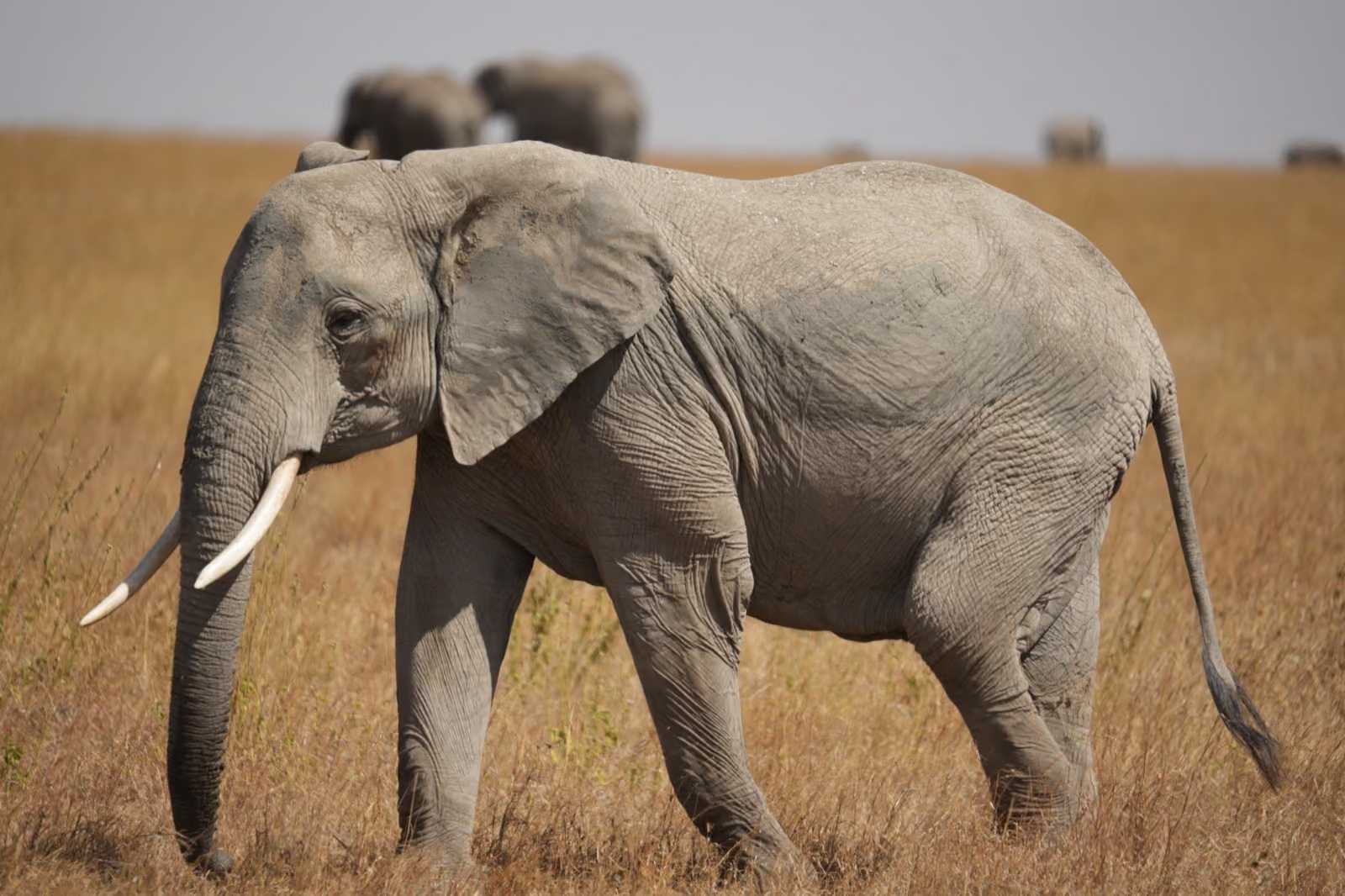
Every month has something happening. The lion prides, cheetah, leopard and elephant of the Mara live there all year. The herds are always somewhere on their long loop through the Serengeti and the Mara, so we plan around where they will be. See When to come for the year, month by month.
Can I drive?
In the Serengeti, yes. We run two of our own Land Cruisers there, linked by radio, and you’re welcome to drive one with a guide beside you. Hand it back whenever you’d rather sit back and watch. In the Maasai Mara our guides drive the open game viewer, so everyone’s eyes are free for the bush.
Can we bring children?
Yes, children of every age come on safari with us, and it is a lovely time to introduce them to animals and their worlds. Children under 5 travel free, 5 to 11 are charged at half, and from 12 it’s the adult rate. That isn’t our choice: the camps charge by bed and the park authorities charge entry by age on the passport, so we pass those on as they are.
What about food?
Vegetarian and Jain meals are catered for regularly, and our camp in the Mara uses only halal meat. Our camps are chosen for where the animals are, not for their kitchens: they’ll happily attempt Indian dishes, but the flavours may not taste quite the way they do at home.
How do I book?
Tell us your dates and who is travelling. We check the camp and the guiding roster, then send you the itinerary and exact costing. To confirm, we need the names as they appear on your passports and an address for the invoice. A 25% advance holds your dates and the balance is due 30 days before you travel; within 30 days, full payment confirms. We invoice in US dollars. Bank transfer is preferred, and a card payment link is available with a 3.5% card fee.